Writing "Happy Birthday" in English: A Comprehensive Guide
Verwandte Artikel: Writing "Happy Birthday" in English: A Comprehensive Guide
Einführung
Bei dieser feierlichen Gelegenheit freuen wir uns, in das das faszinierende Thema rund um Writing "Happy Birthday" in English: A Comprehensive Guide vertiefen. Lassen Sie uns interessante Informationen zusammenfügen und den Lesern frische Perspektiven bieten.
Table of Content
Writing "Happy Birthday" in English: A Comprehensive Guide
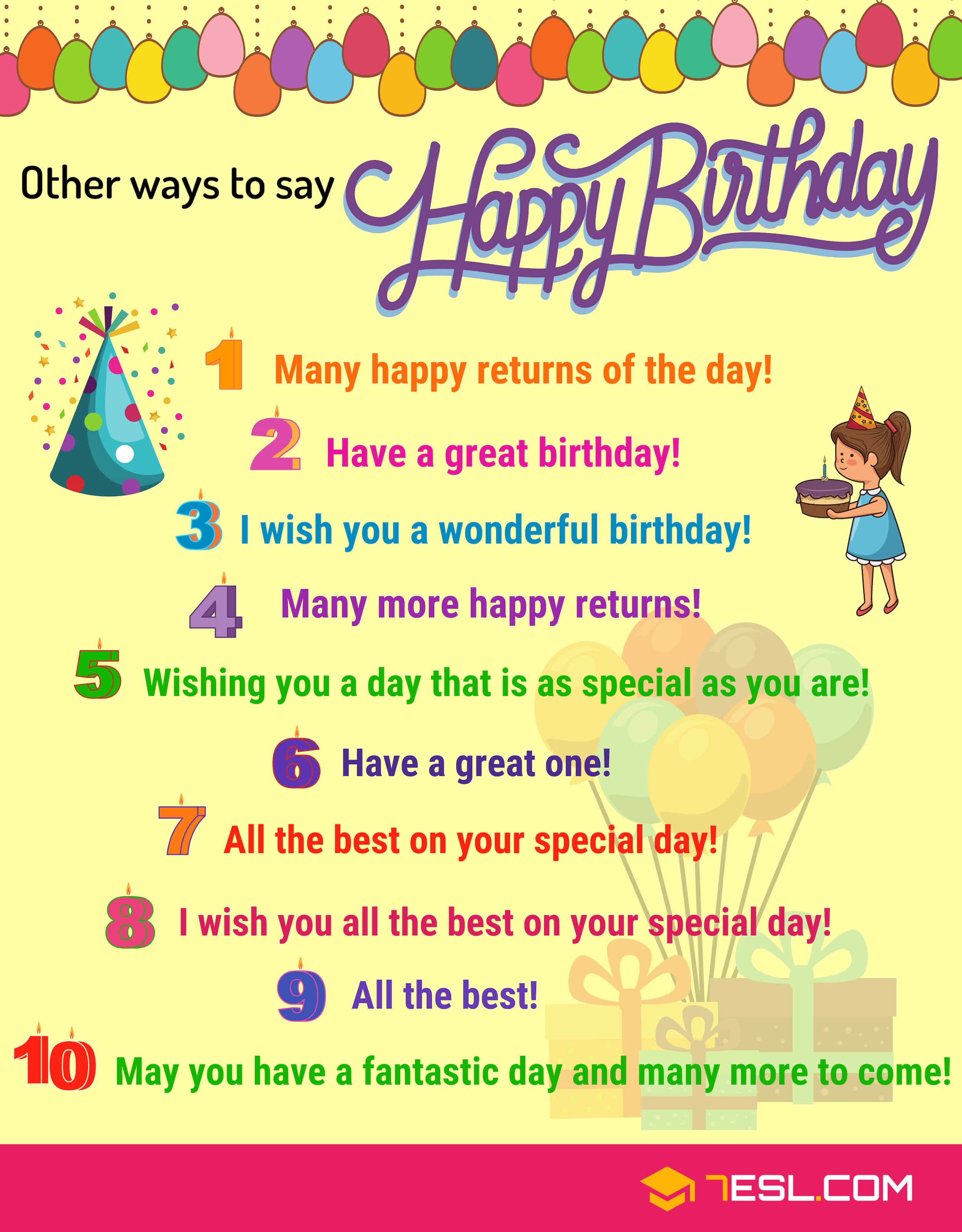
The phrase "Happy Birthday" is a universal expression of joy and celebration, marking a special day in a person’s life. While the sentiment remains constant, the specific wording can differ across languages. This article explores the nuances of writing "Happy Birthday" in English, providing a detailed explanation of its structure, common variations, and cultural considerations.
The Basic Structure: "Happy Birthday"
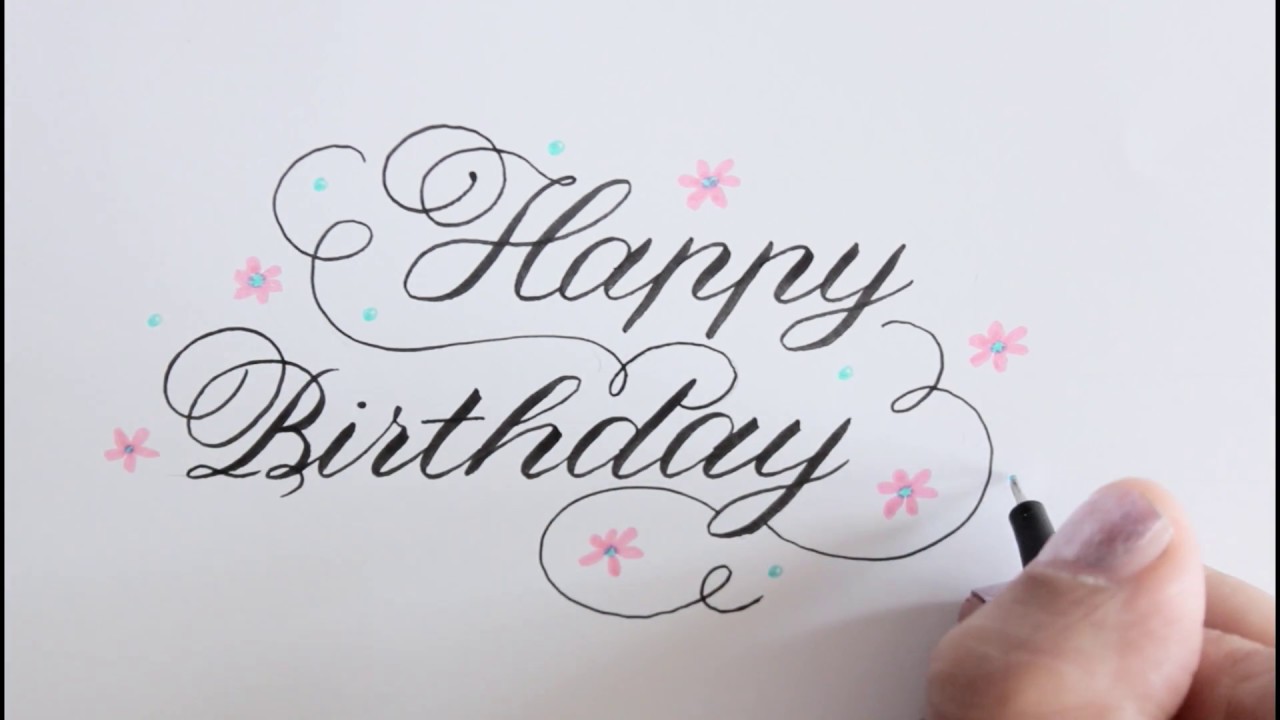
The most straightforward and widely recognized way to express birthday wishes in English is with the simple phrase "Happy Birthday." This concise statement conveys the essence of the sentiment, expressing joy and good wishes for the birthday celebrant. Its simplicity makes it suitable for all occasions, regardless of the relationship between the sender and recipient.
Variations and Extensions
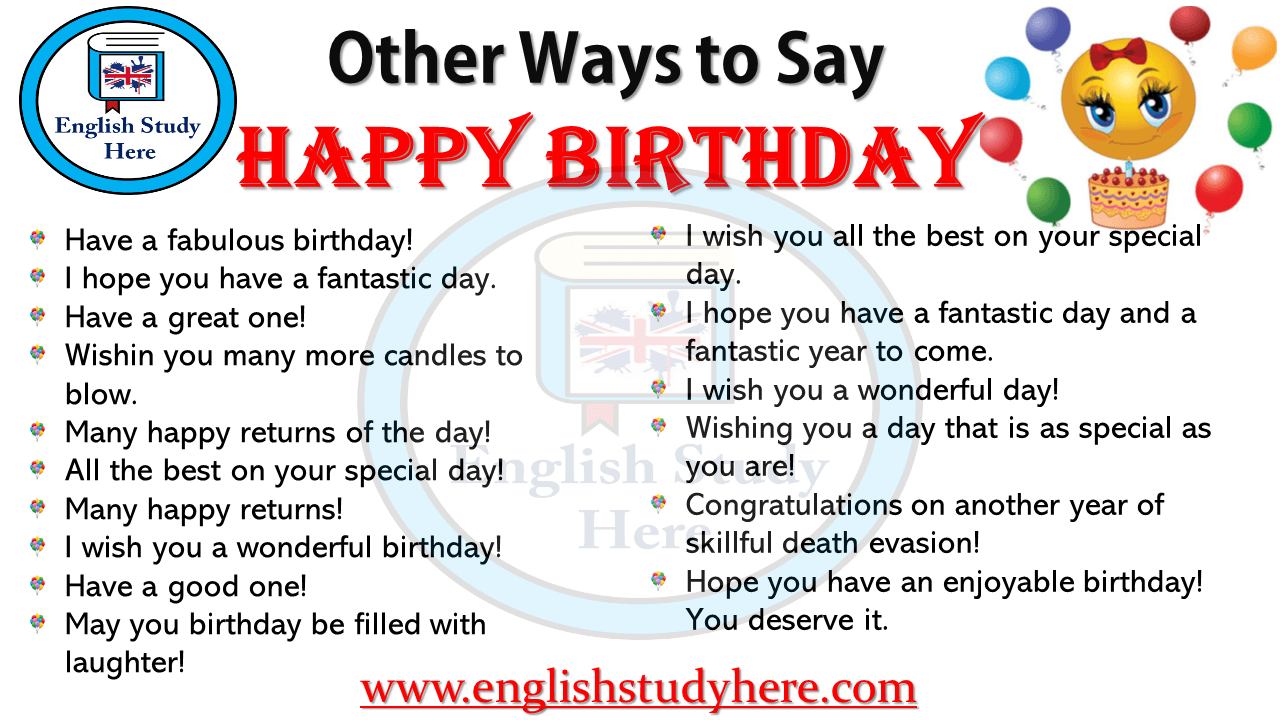
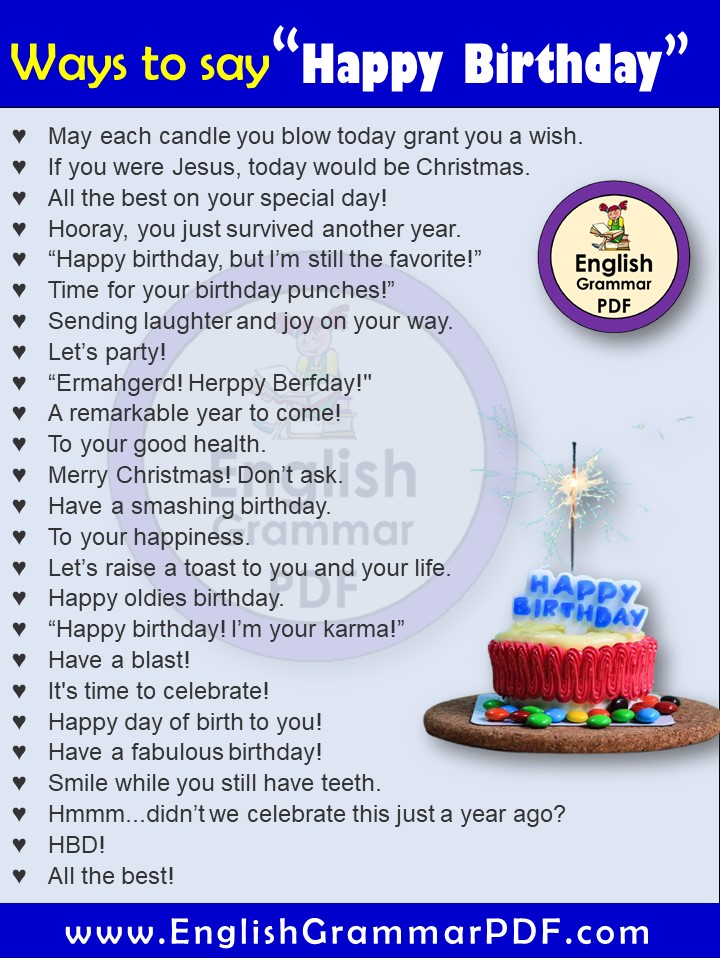
While "Happy Birthday" stands alone as a complete greeting, it can be expanded upon to add personal touches and convey specific wishes. Common variations include:
- Adding the person’s name: "Happy Birthday, [Name]" personalizes the message, demonstrating thoughtfulness and making it more meaningful.
- Wishing a specific kind of day: "Happy Birthday, have a wonderful day!" or "Happy Birthday, may you have a fantastic year!" adds a touch of warmth and sincerity.
- Expressing a specific sentiment: "Happy Birthday, I hope you have a day filled with laughter and joy." or "Happy Birthday, wishing you all the best in the year ahead." These variations convey specific wishes and make the message more heartfelt.
- Adding a playful element: "Happy Birthday, you’re officially one year closer to being old!" or "Happy Birthday, let’s celebrate with cake and good times!" These additions can add humor and lightheartedness to the message.
Cultural Considerations
While "Happy Birthday" is universally understood, certain cultural nuances should be considered when writing birthday greetings in English. For example:
- Formal vs. Informal: The level of formality in the message should reflect the relationship between the sender and recipient. Formal greetings might include a title like "Dear Mr./Ms./Dr. [Name]," while informal greetings would use the person’s first name.
- Length of the message: In some cultures, longer and more detailed messages are preferred, while in others, brevity is valued.
- Use of emojis: Emojis can add a personal touch to the message, but their use should be considered carefully based on the context and the relationship with the recipient.
Writing Birthday Messages: A Practical Guide
Crafting a birthday message that is both sincere and engaging requires careful consideration. Here are some tips to guide you:
- Personalize the message: Mention something specific about the recipient, such as a shared memory, a common interest, or a recent achievement.
- Express your genuine feelings: Let your message reflect your true feelings for the recipient, whether it’s affection, respect, or admiration.
- Keep it positive and uplifting: Focus on the positive aspects of the recipient’s life and express your hopes for their future.
- Proofread carefully: Ensure your message is free of spelling and grammatical errors.
FAQs
Q: What is the best way to write "Happy Birthday" in English?
A: The most common and widely recognized way is simply "Happy Birthday." You can personalize it by adding the recipient’s name or expressing specific wishes.
Q: Is it appropriate to use emojis in birthday messages?
A: Emojis can add a personal touch, but their use should be considered carefully based on the context and relationship with the recipient.
Q: How do I write a birthday message for someone I don’t know well?
A: Keep it brief and formal. A simple "Happy Birthday" or "Wishing you a happy birthday" is sufficient.
Q: What are some creative ways to write "Happy Birthday"?
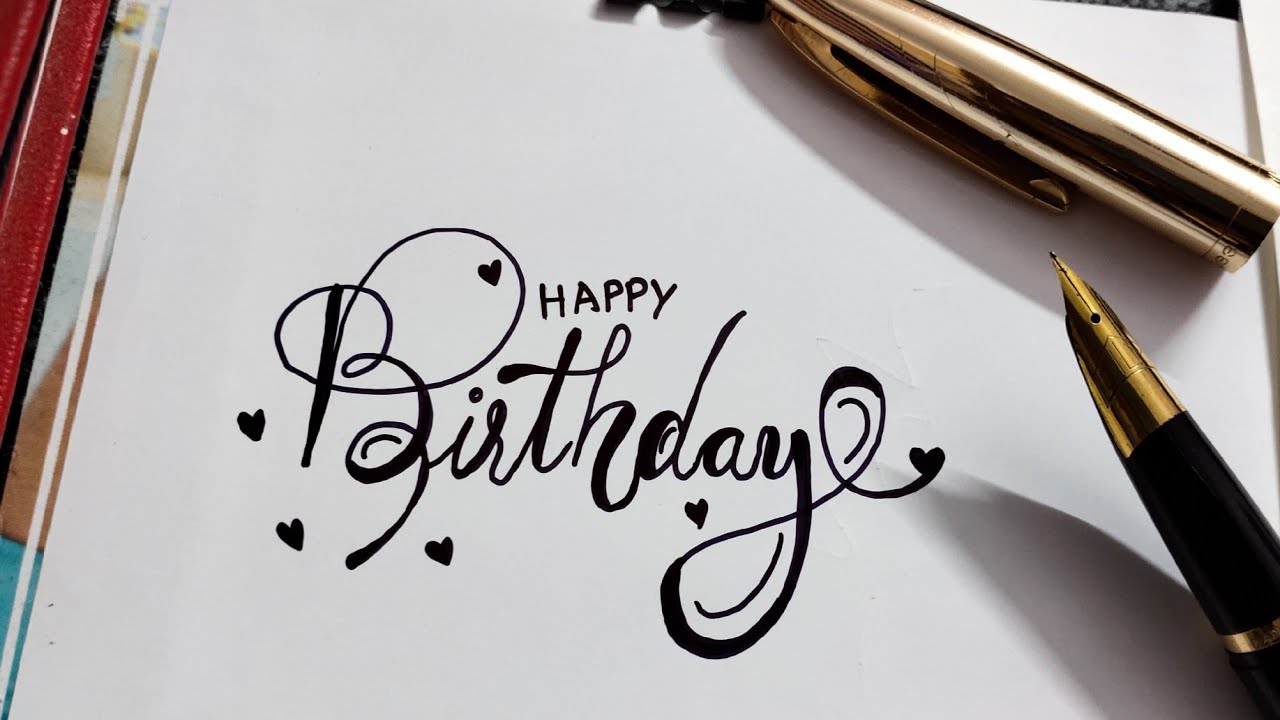
A: You can use rhyming phrases, playful puns, or even create a personalized poem or song.
Conclusion
Writing "Happy Birthday" in English is a simple yet powerful act of expressing joy and wishing someone well on their special day. By understanding the basic structure, common variations, and cultural considerations, you can craft heartfelt and meaningful messages that truly celebrate the birthday celebrant. Remember, the most important aspect is to convey your genuine feelings and make the recipient feel appreciated and loved.




Abschluss
Daher hoffen wir, dass dieser Artikel wertvolle Einblicke in Writing "Happy Birthday" in English: A Comprehensive Guide bietet. Wir hoffen, dass Sie diesen Artikel informativ und nützlich finden. Bis zum nächsten Artikel!